Kitchen scales are available in two primary types: digital (electronic) and analog (mechanical).
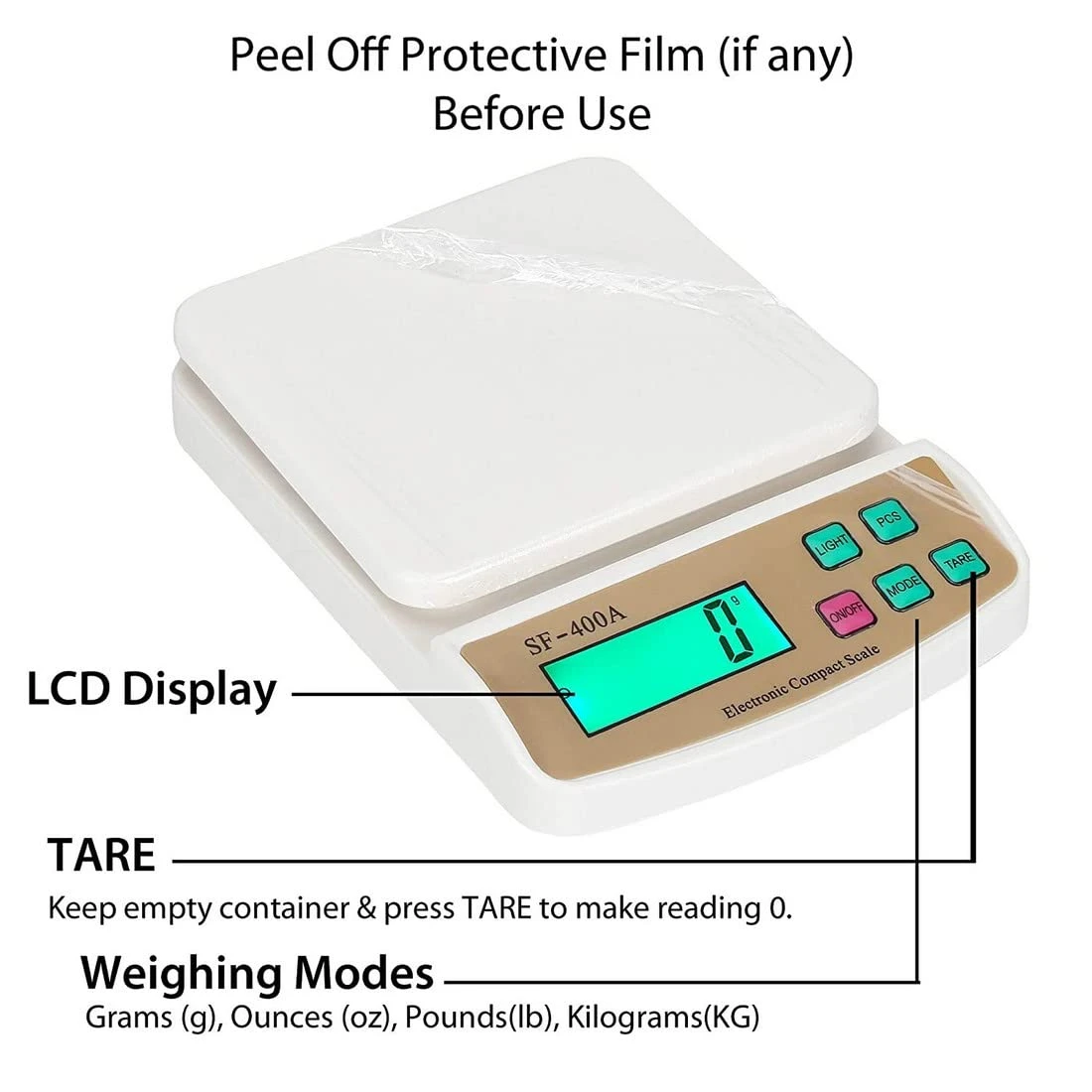
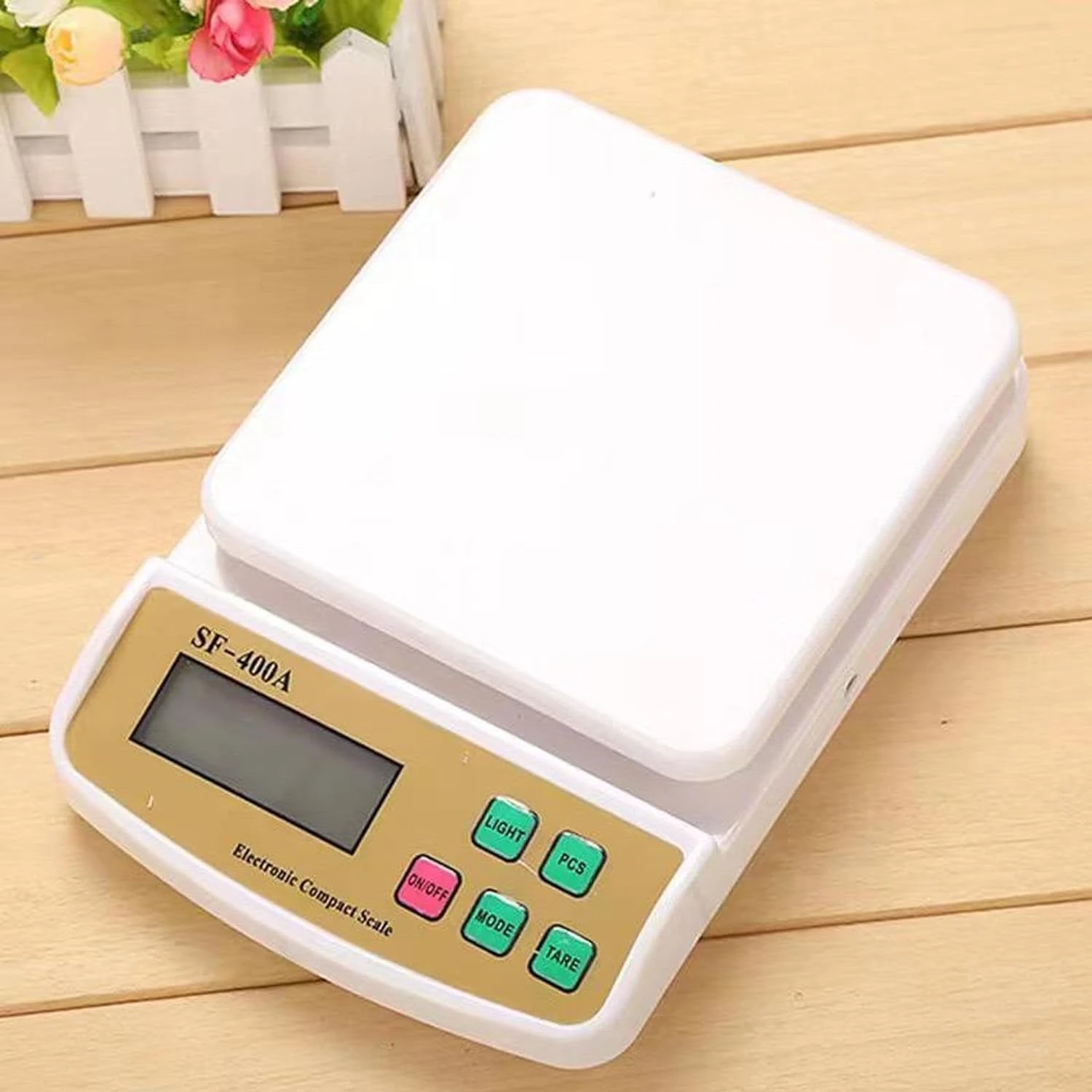
Digital Scales: These use high-precision electronic sensors to detect weight and provide a clear readout on an LCD or LED screen. They are generally more accurate than analog versions and offer advanced features like unit conversion and "tare".
Analog Scales: These utilize an internal spring mechanism to move a physical dial. While durable and requiring no batteries, they may lack the pinpoint precision of digital models for very small measurements.
Key Features
Tare (Zero) Function: A critical feature that allows you to reset the scale to zero after placing a container on it, effectively subtracting the container's weight to measure only the ingredients inside.
Unit Conversion: Most digital scales can instantly toggle between different measurement units, such as grams (g), kilograms (kg), ounces (oz), pounds (lb), and milliliters (ml).
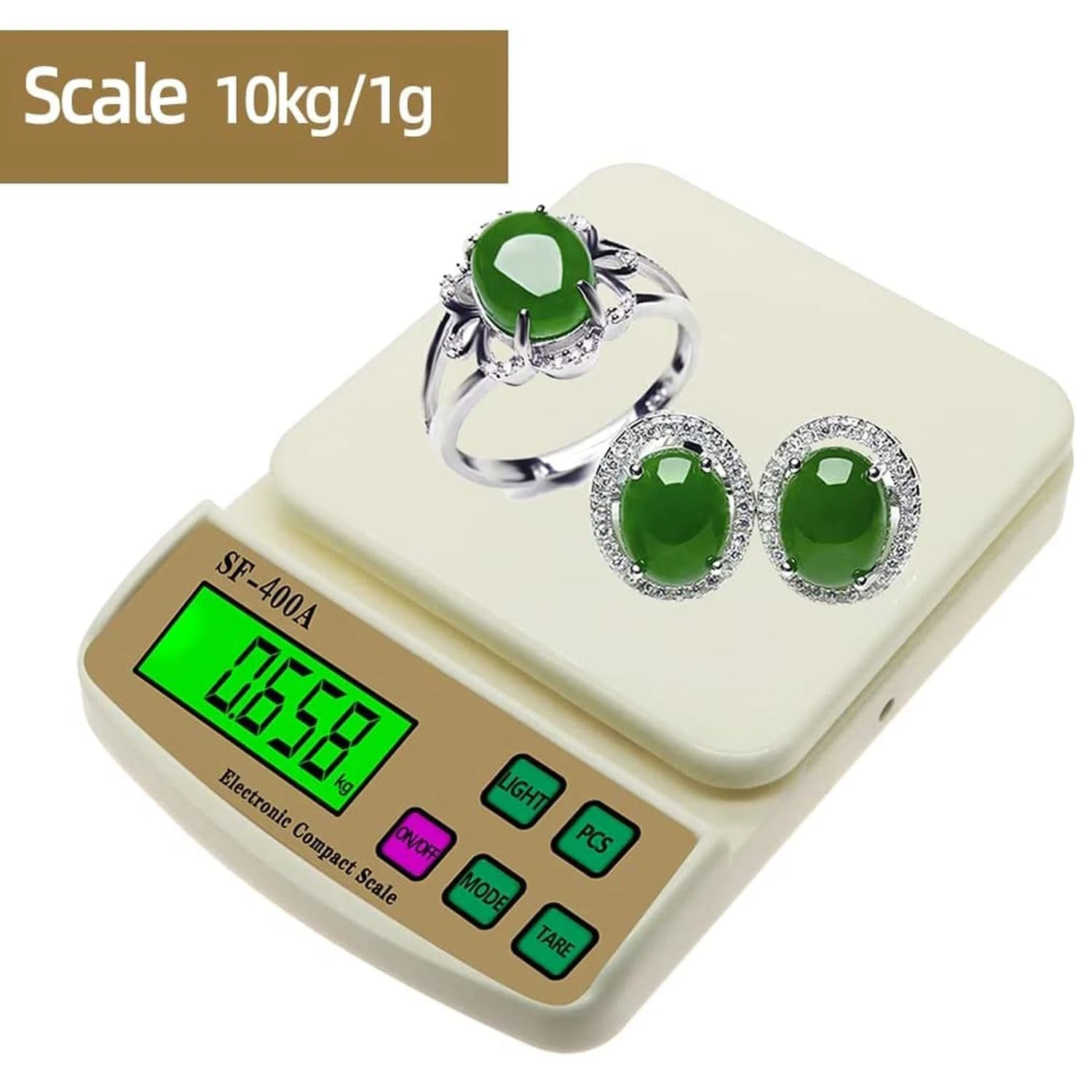
High Precision Sensors: Standard kitchen scales typically measure in 1g or 0.1oz increments, while specialized "pocket" or jewelry scales can offer accuracy down to 0.01g or 0.1g.
Auto-Off & Low Battery Indicators: Energy-saving features that automatically shut the scale off when idle and alert the user when batteries (usually AA or AAA) need replacement.
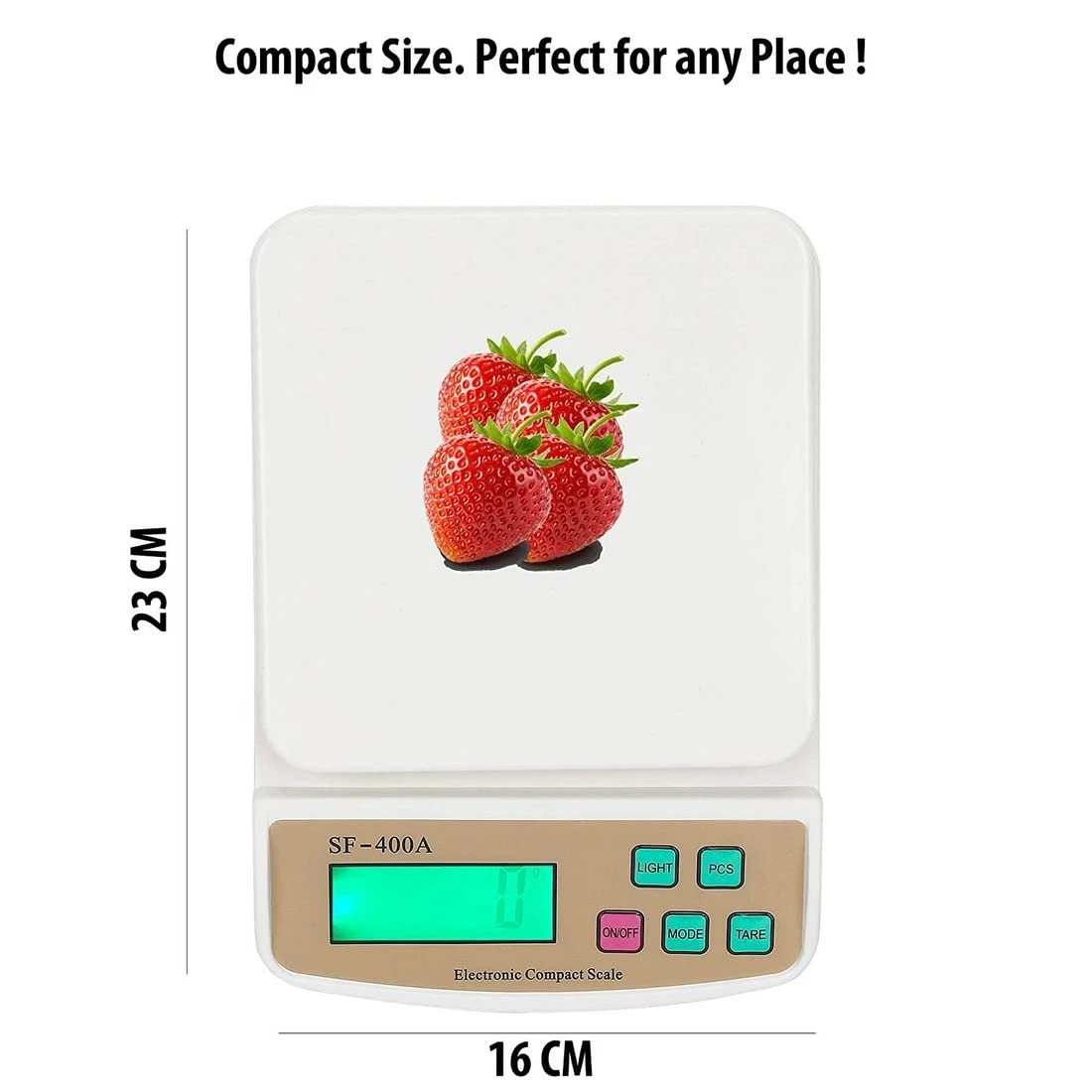
Compact & Portable Design: Modern scales are often extra-slim and lightweight, making them easy to store in drawers or carry for travel.
Hygienic Platforms: Surfaces are typically made of easy-to-clean materials like tempered glass, stainless steel, or high-grade ABS plastic

 English