












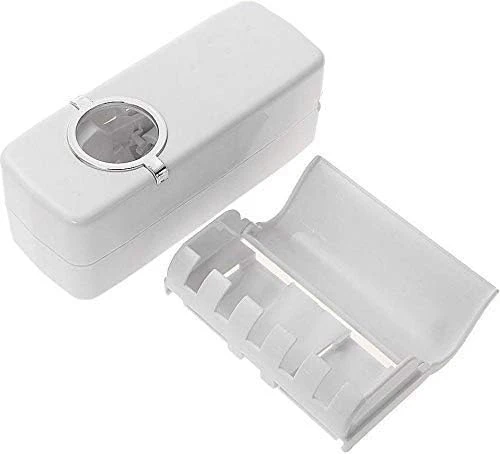
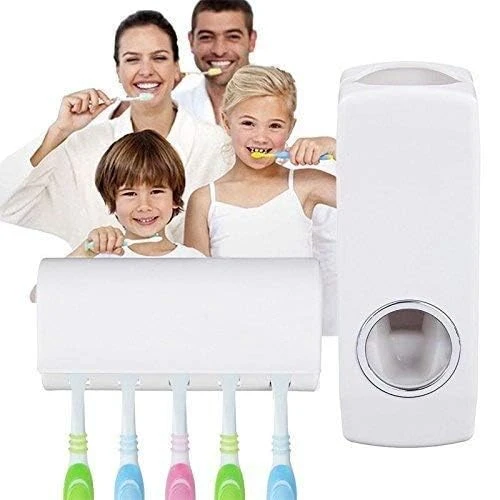
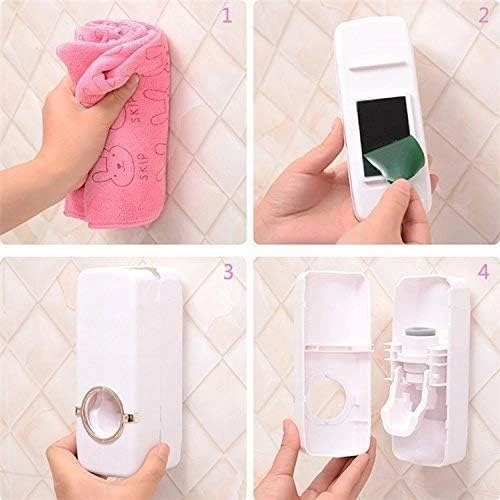
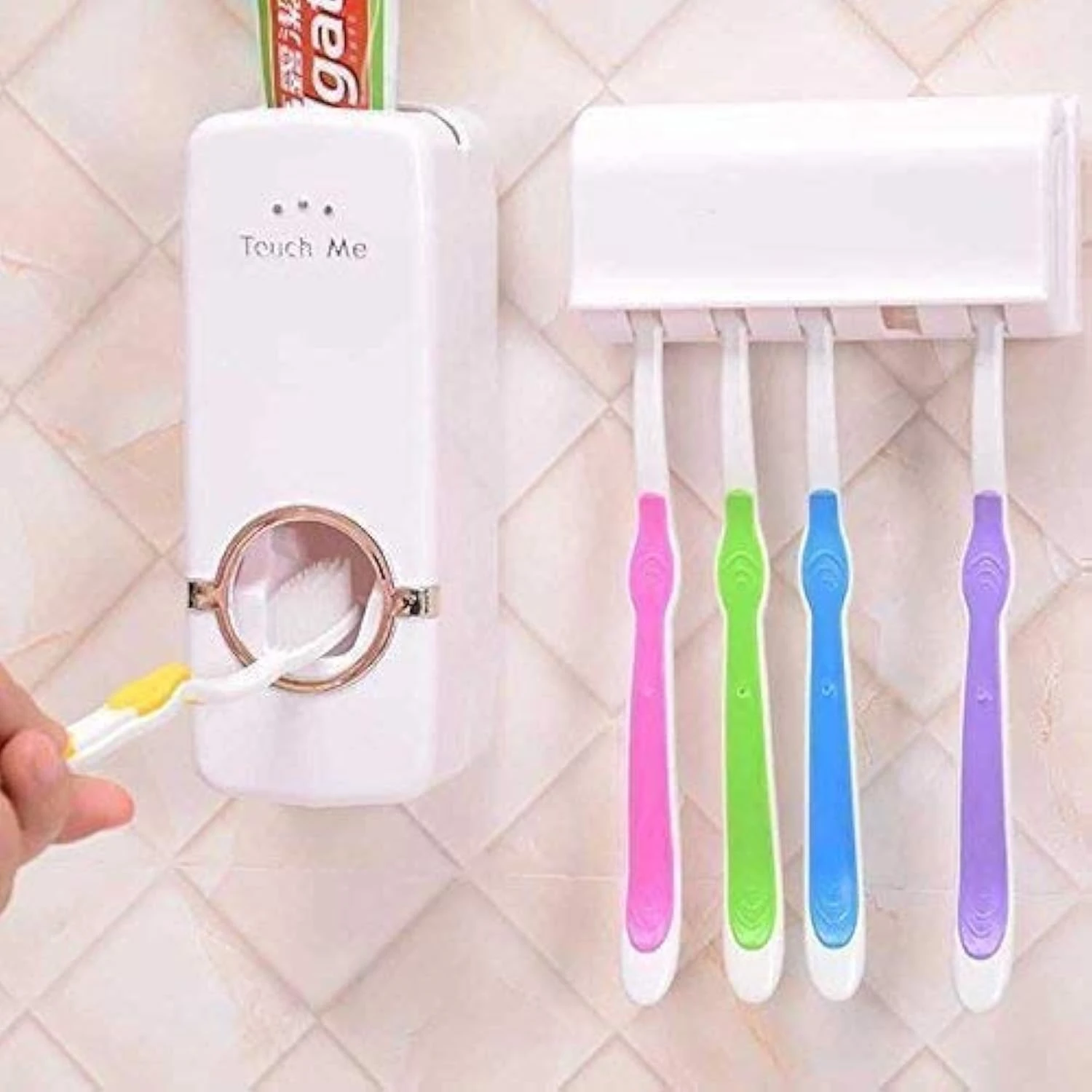
A toothpaste dispenser typically mounts to a wall or mirror using a strong adhesive strip, eliminating the need for drilling. It works by housing a standard toothpaste tube upside down; when a toothbrush is inserted into the designated slot, a vacuum-pump mechanism or an infrared sensor (in electric models) squeezes or pumps a precise amount of paste onto the bristles. This hands-free operation is particularly beneficial for children learning healthy habits and individuals with limited hand dexterity.
- Automatic & Touchless Operation: Many modern models use infrared sensors to detect a toothbrush and release a rationed dose, preventing cross-contamination and messy counters.
- Adjustable Dispensing Modes: Premium electric versions offer multiple modes (e.g., Kids, Adult, and Max) to customize the amount of toothpaste dispensed based on user preference.
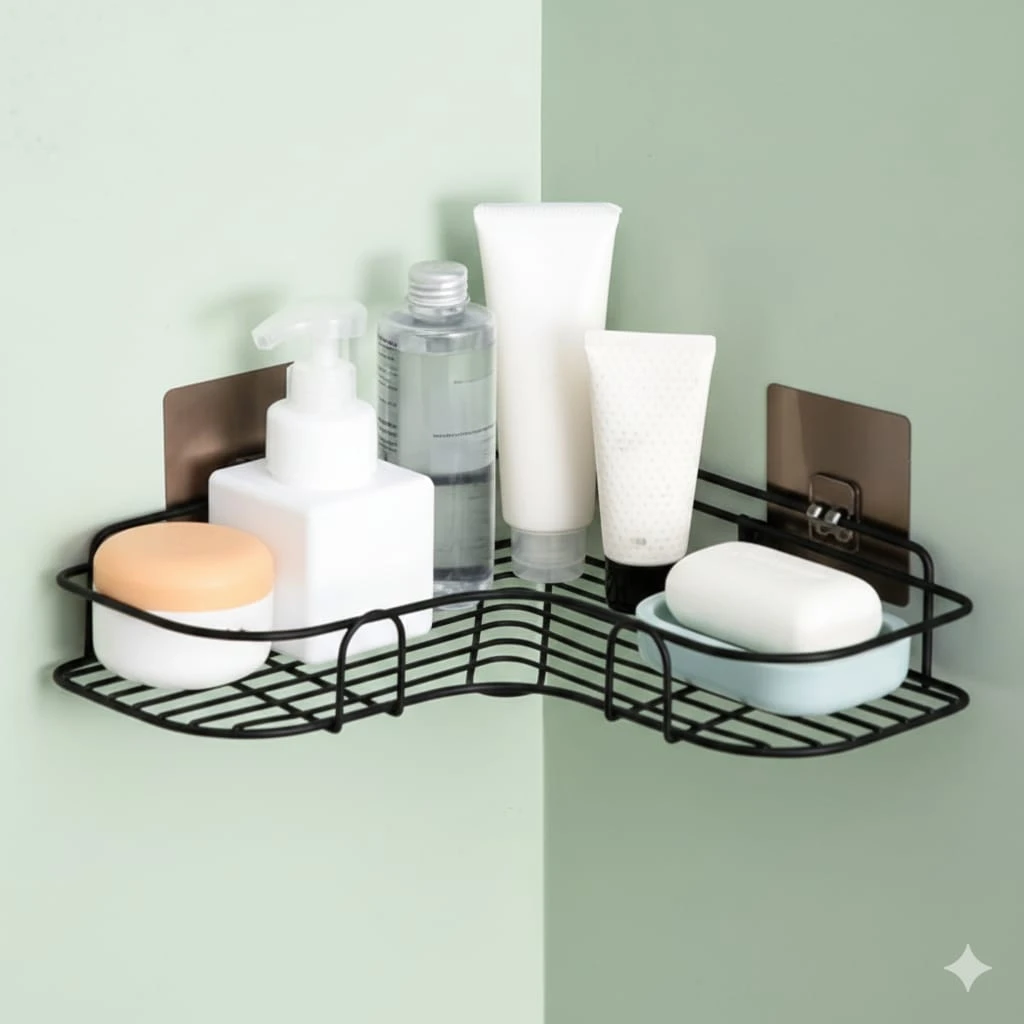
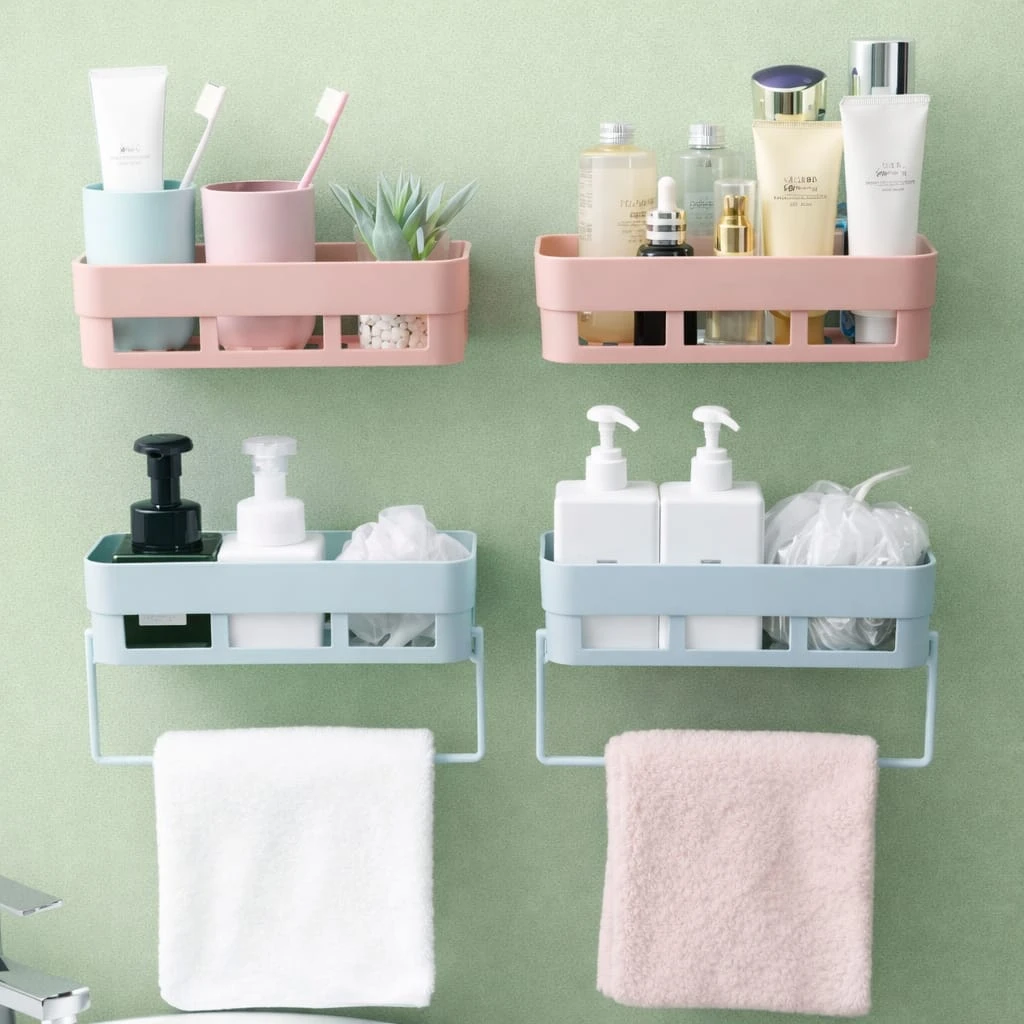
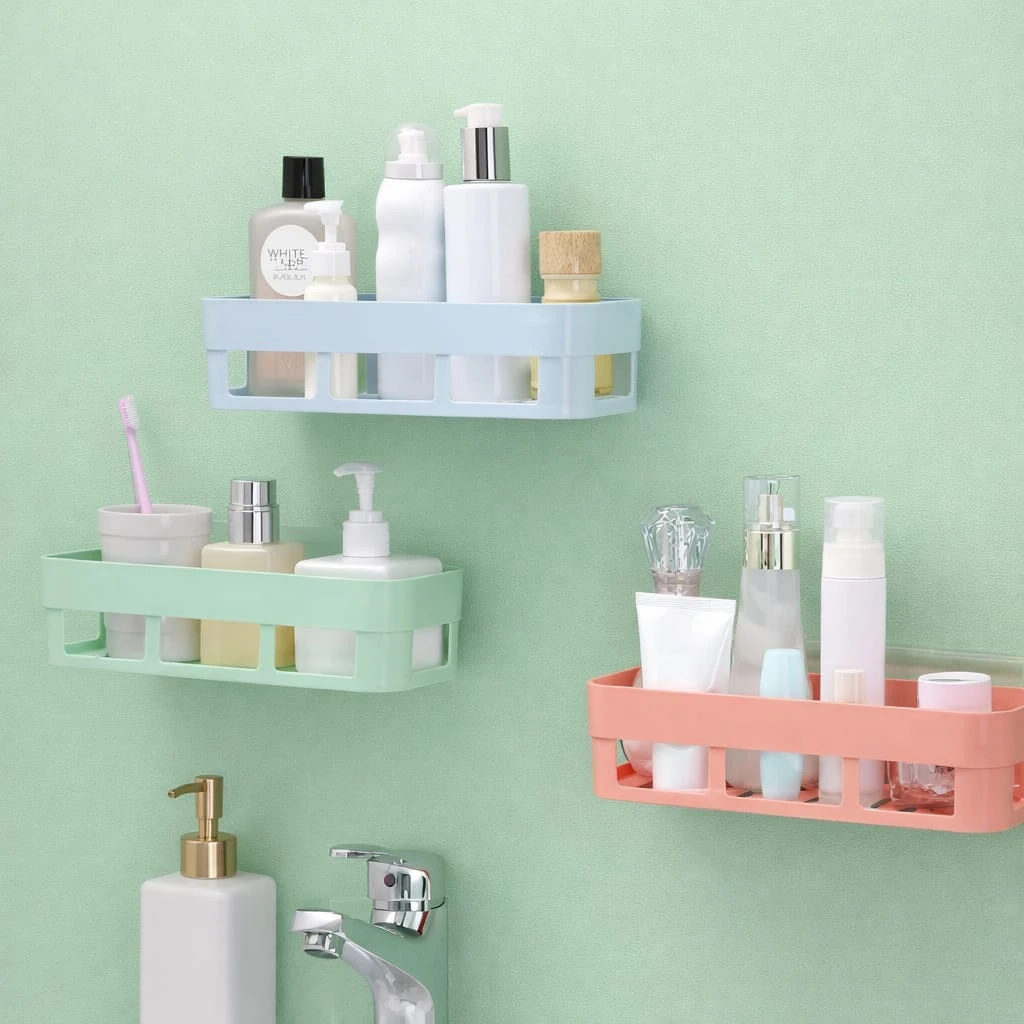
- Integrated Storage & Organization: Often features slots for 2 to 6 toothbrushes, magnetic "upside-down" cups for fast draining, and small drawers for razors or combs.
- Universal Compatibility: Designed with flexible silicone interfaces that fit approximately 98% of standard toothpaste tube calibers on the market.
- Rechargeable Power: 2026 electric models typically feature USB-rechargeable batteries (often 1200mAh) that can last up to 90 days on a single charge.
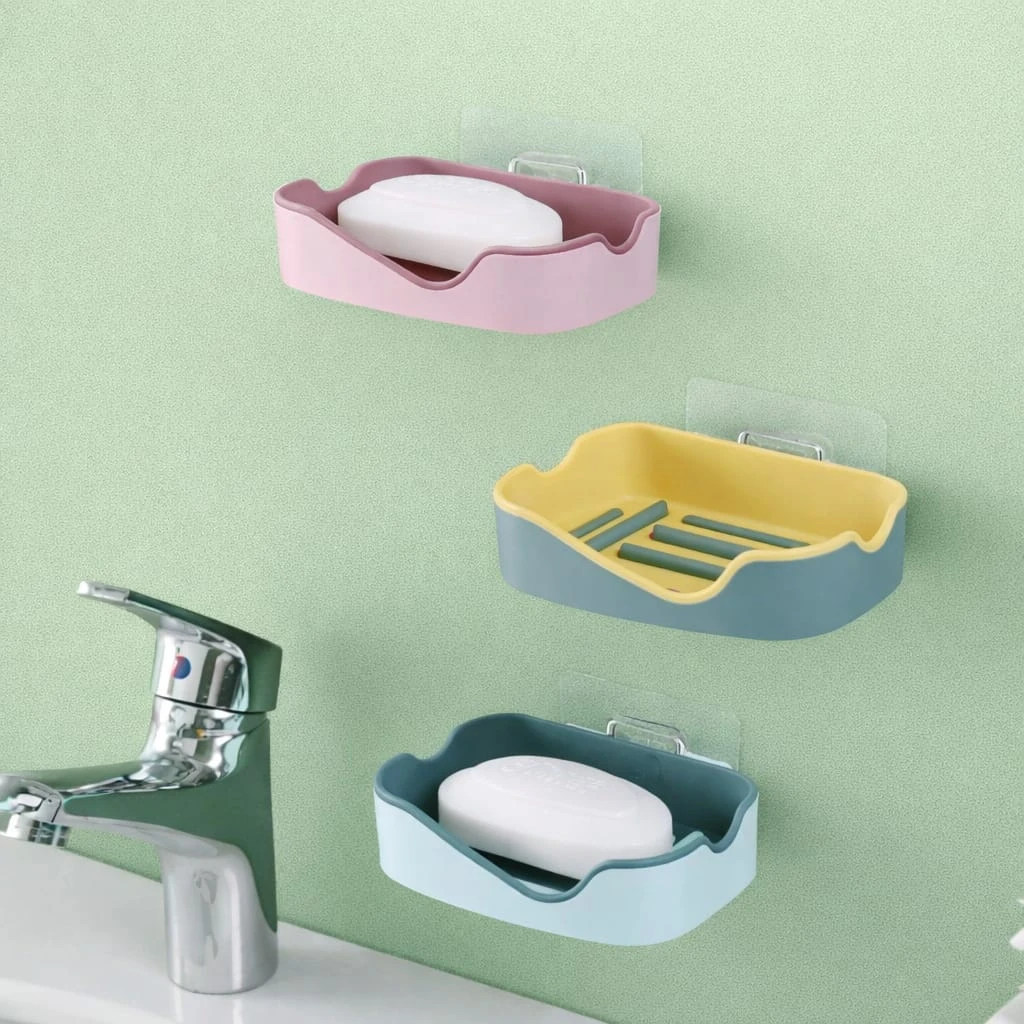
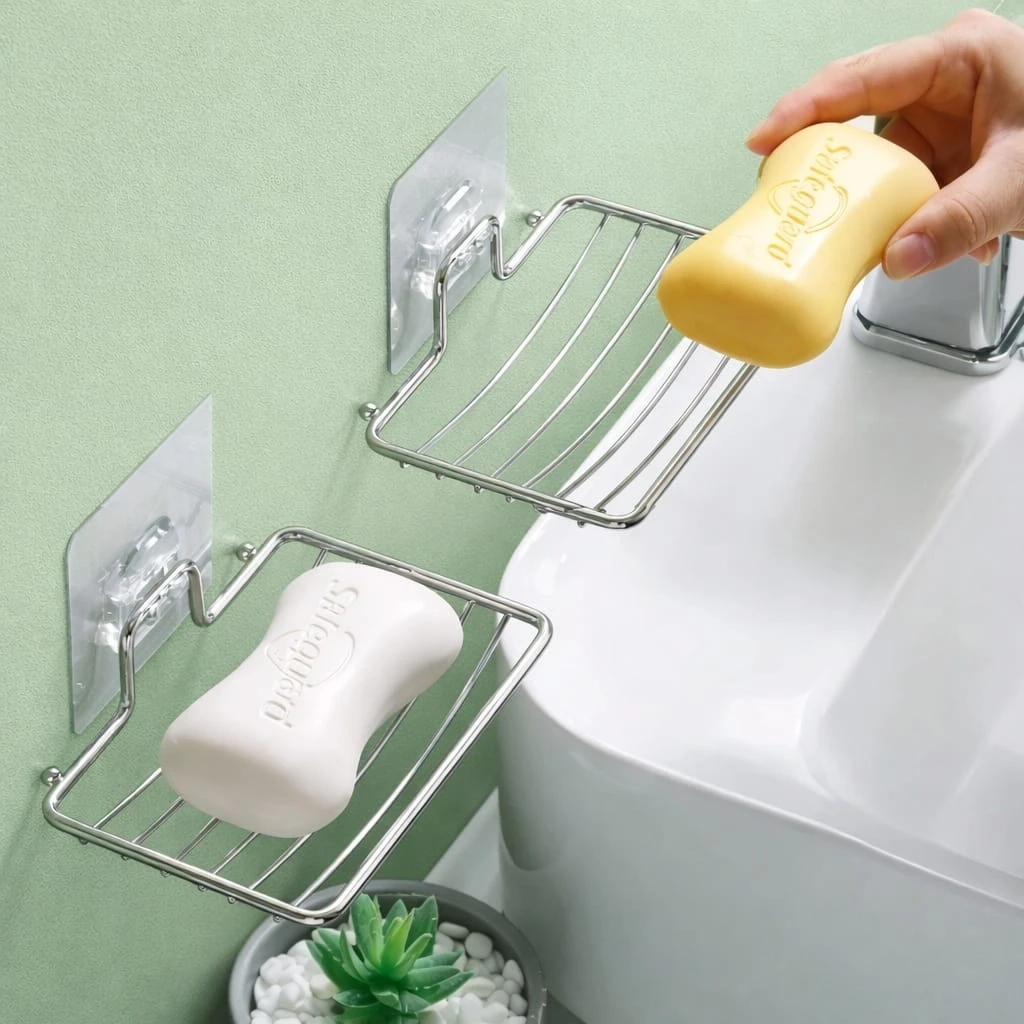
- Tool-Free Installation: Most units come with high-load adhesive strips that can hold several kilograms without damaging wall surfaces like tile or marble.
- Easy Maintenance: Components are generally detachable and washable, allowing users to rinse out excess residue and prevent mold buildup.