













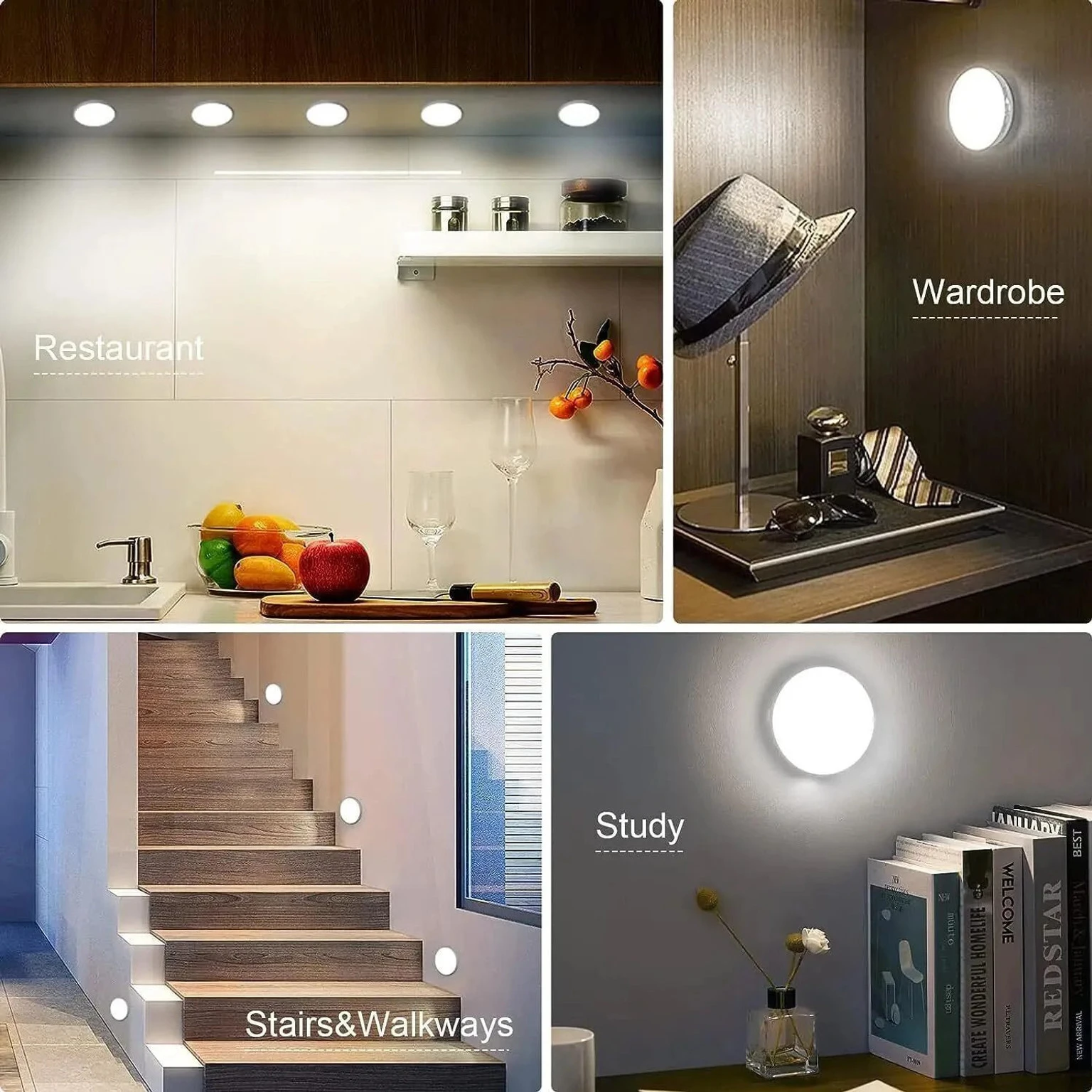
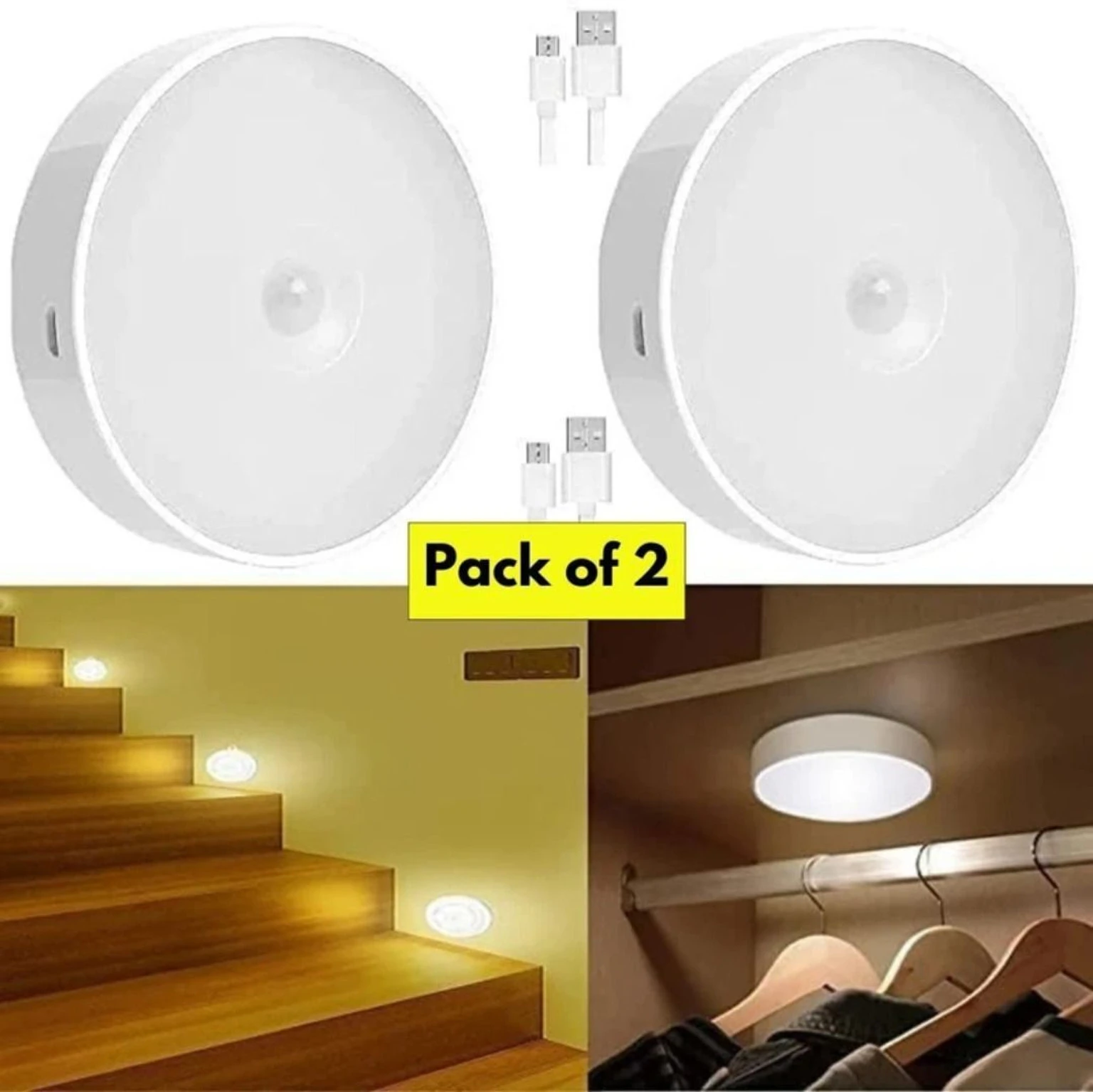
Motion sensor lights integrate a sensor (typically Passive Infrared (PIR) or Microwave) with an LED light source. They are available in various formats, including rechargeable magnetic bars for closets, solar-powered floodlights for security, and smart-integrated bulbs for general home use. Most modern units feature "Day/Night" modes to ensure they only activate in dark environments, preserving energy during daylight hours.
- Detection Technology: Most consumer models use PIR sensors to detect body heat, while advanced versions use Microwave/Radar technology which can detect movement through thin walls and glass.
- Dual Sensor Modes: High-quality lights often feature a Night Mode (only triggers in the dark) and a Day Mode (triggers regardless of ambient light).
- Flexible Power Sources: Available as USB-C rechargeable (best for cabinets), Solar-powered (best for outdoors), or Hardwired (best for permanent security fixtures).
- Adjustable Settings: Many units allow you to customize the detection range (typically up to 10–20 feet for indoors and 70 feet for outdoors), brightness levels, and auto-off timers.
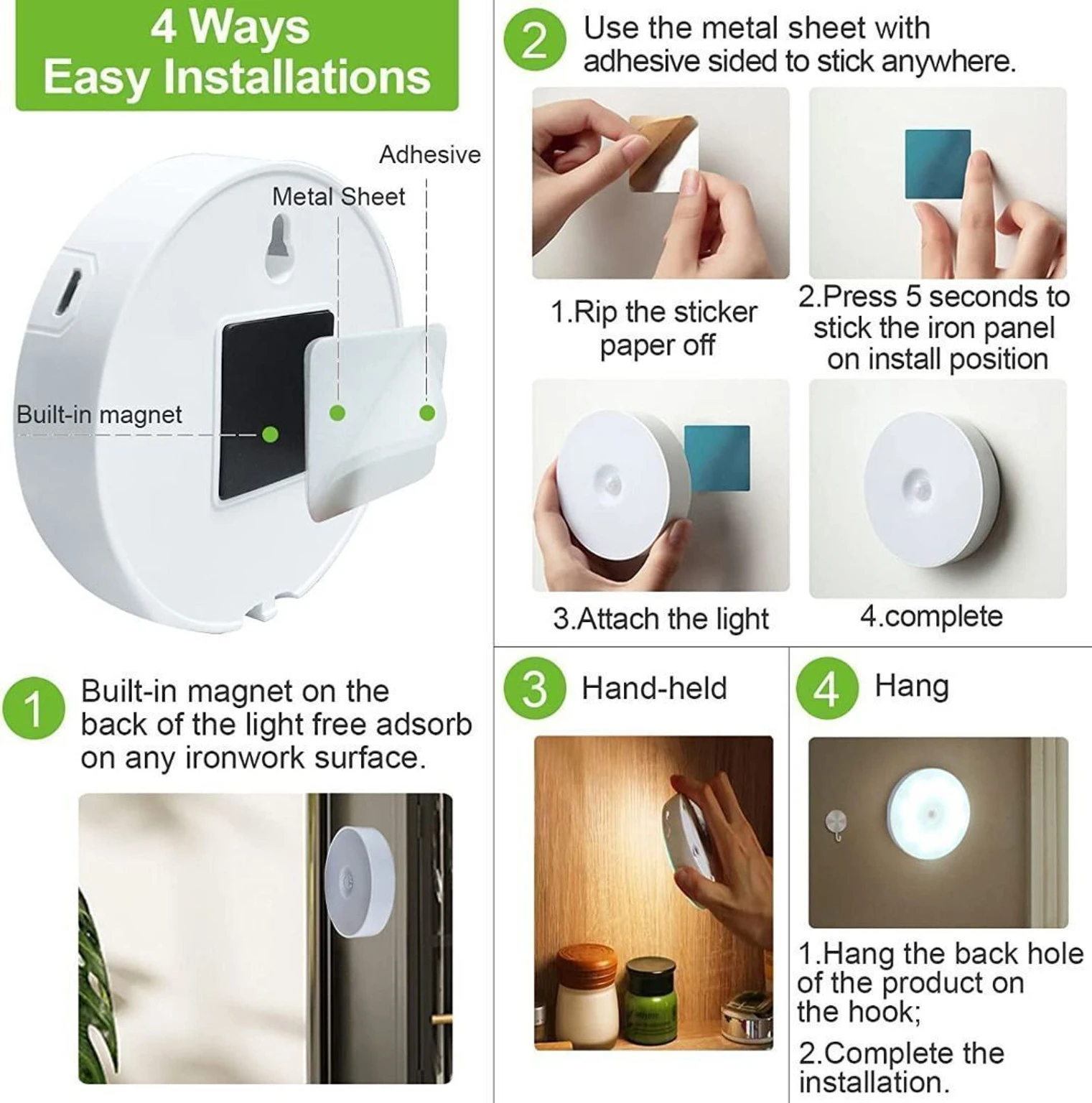
- Tool-Free Installation: Indoor models frequently use magnetic strips or 3M adhesive backing for stick-on mounting, while outdoor security lights are designed for wall or eave mounting.
- Adjustable Color Temperatures: Some modern LED bars allow you to toggle between Warm White (3000K), Neutral (4000K), and Cool White (6000K) to match your room's aesthetic.