













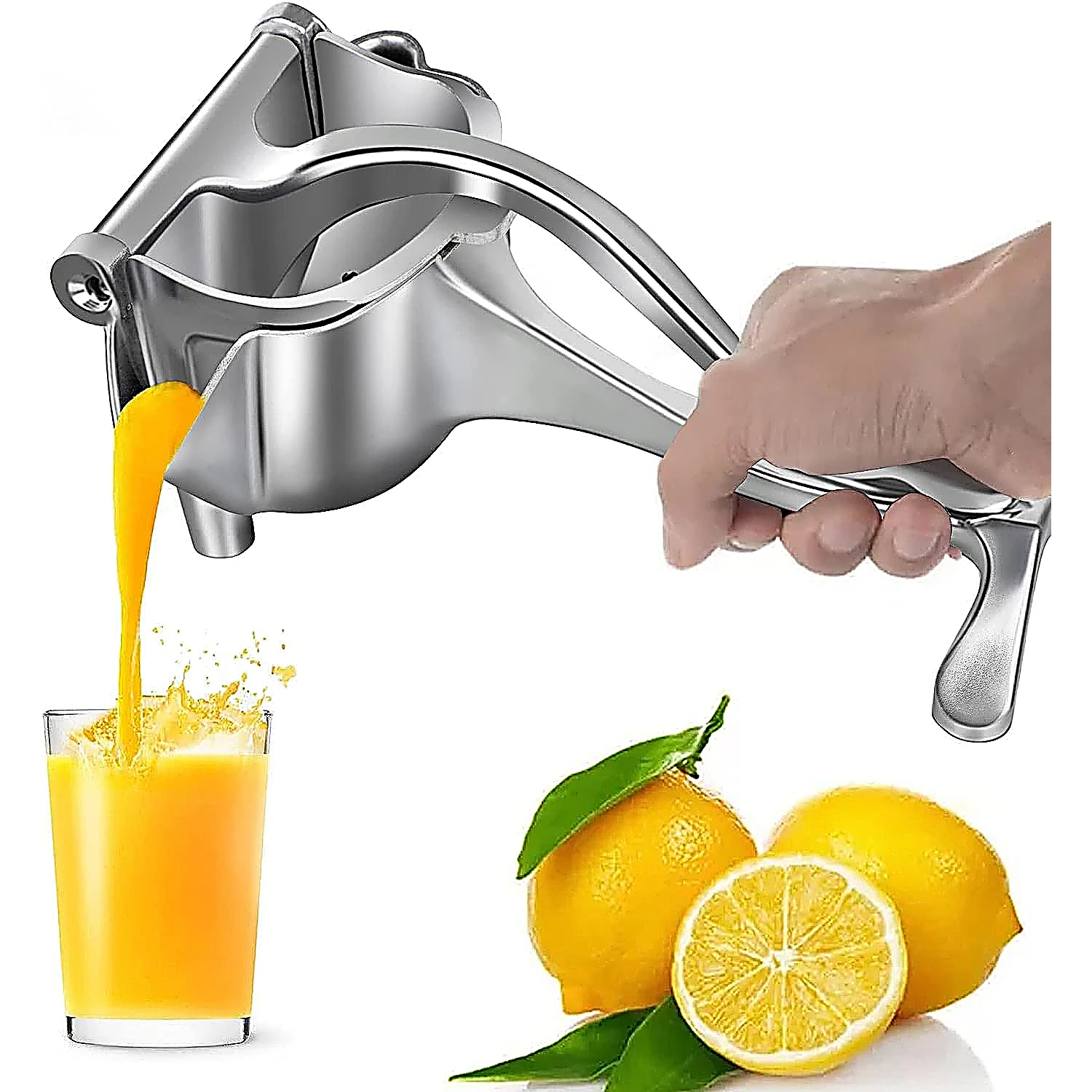
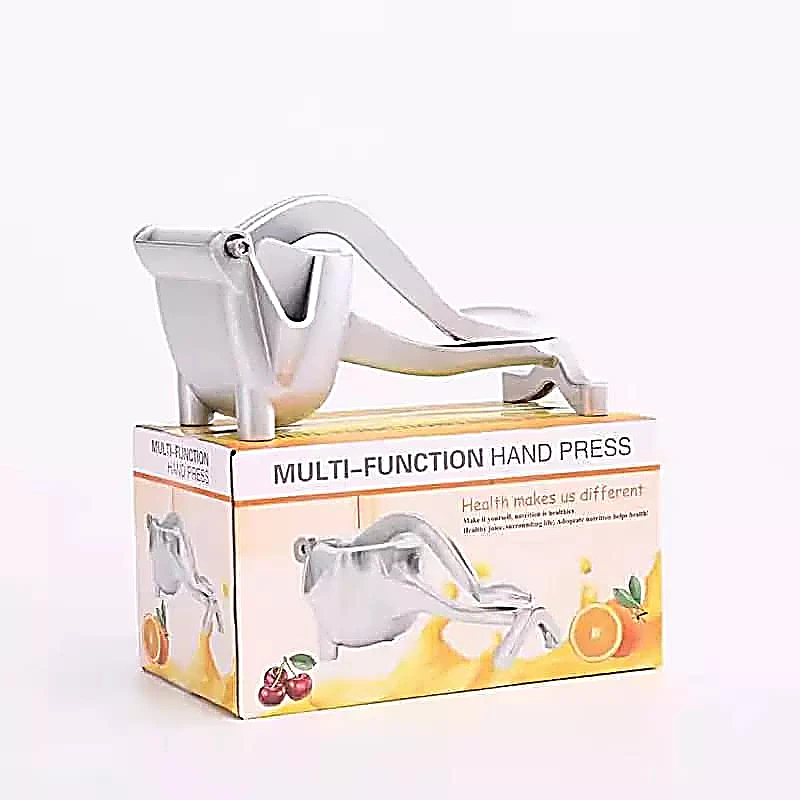
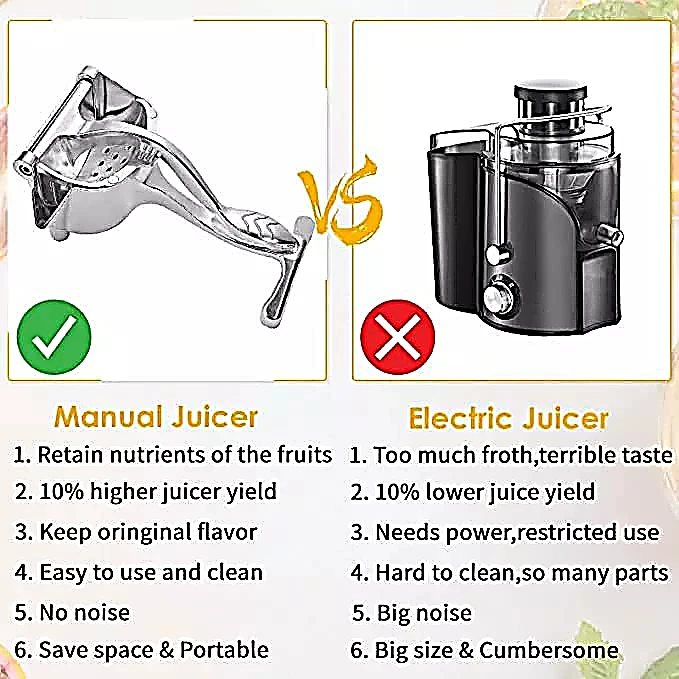
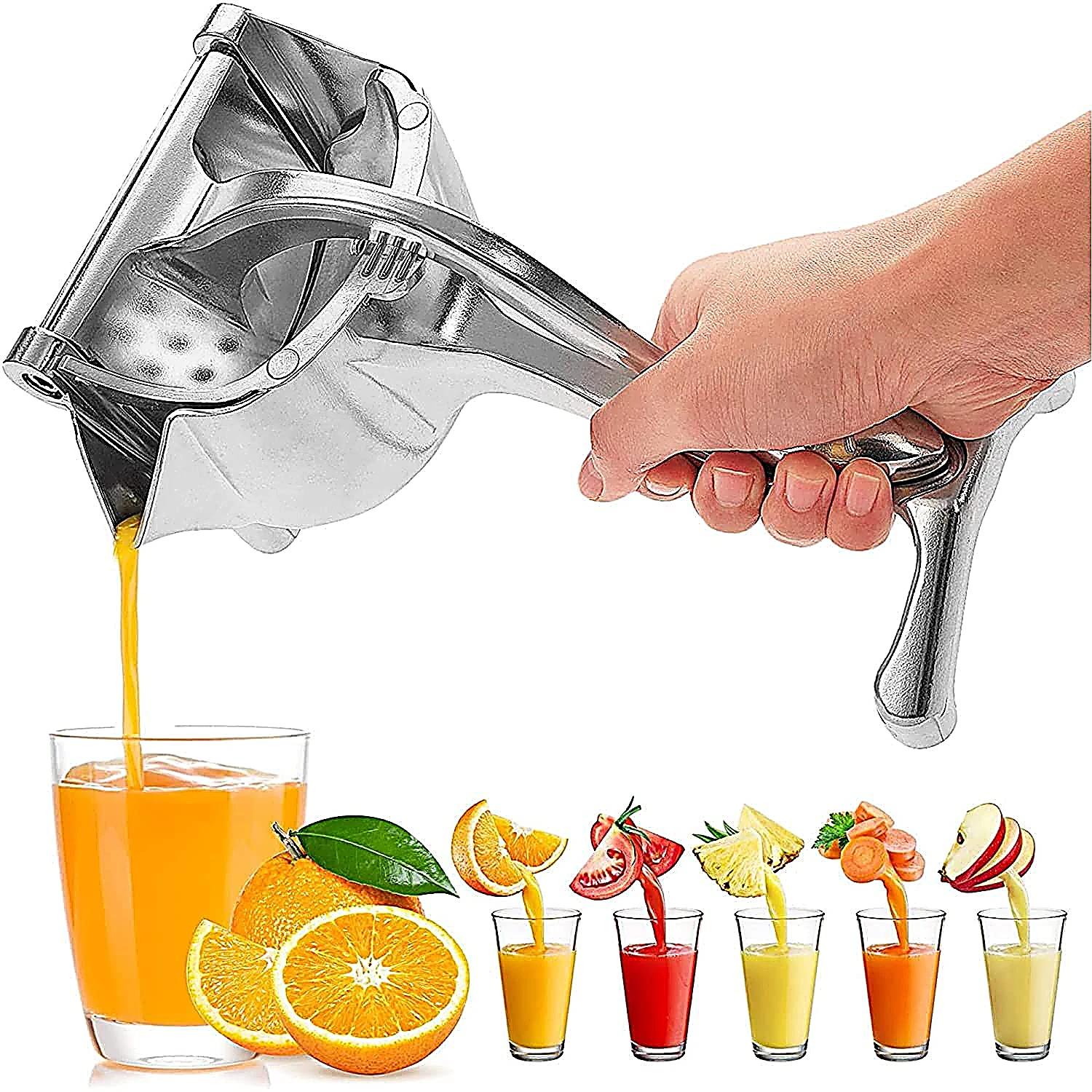
A fruit press typically consists of a container or basket to hold crushed fruit (pomace) and a mechanism—such as a screw, lever, or hydraulic jack—to compress the fruit. This process, often called cold pressing, minimizes heat and oxidation, which helps preserve the natural vitamins, enzymes, and fresh flavour of the juice.
- Heavy-Duty Construction: High-quality presses feature bases made of cast iron or stainless steel for stability. Baskets are often crafted from moisture-resistant beech wood or food-grade stainless steel.
- Mechanical Advantage: Manual models use lever-action or T-shaped screw handles to exert high pressure (up to 2,300 PSI in some heavy-duty models) with minimal physical effort.
- Juice Yield & Efficiency: Many presses include a filter bag or fine mesh to ensure the juice is clear and free of seeds or large pulp pieces while maximizing extraction.
- Stability & Mounting: Many tabletop and floor-standing units include screw holes in the feet, allowing them to be secured to a workbench or table for safer operation during high-pressure pressing.
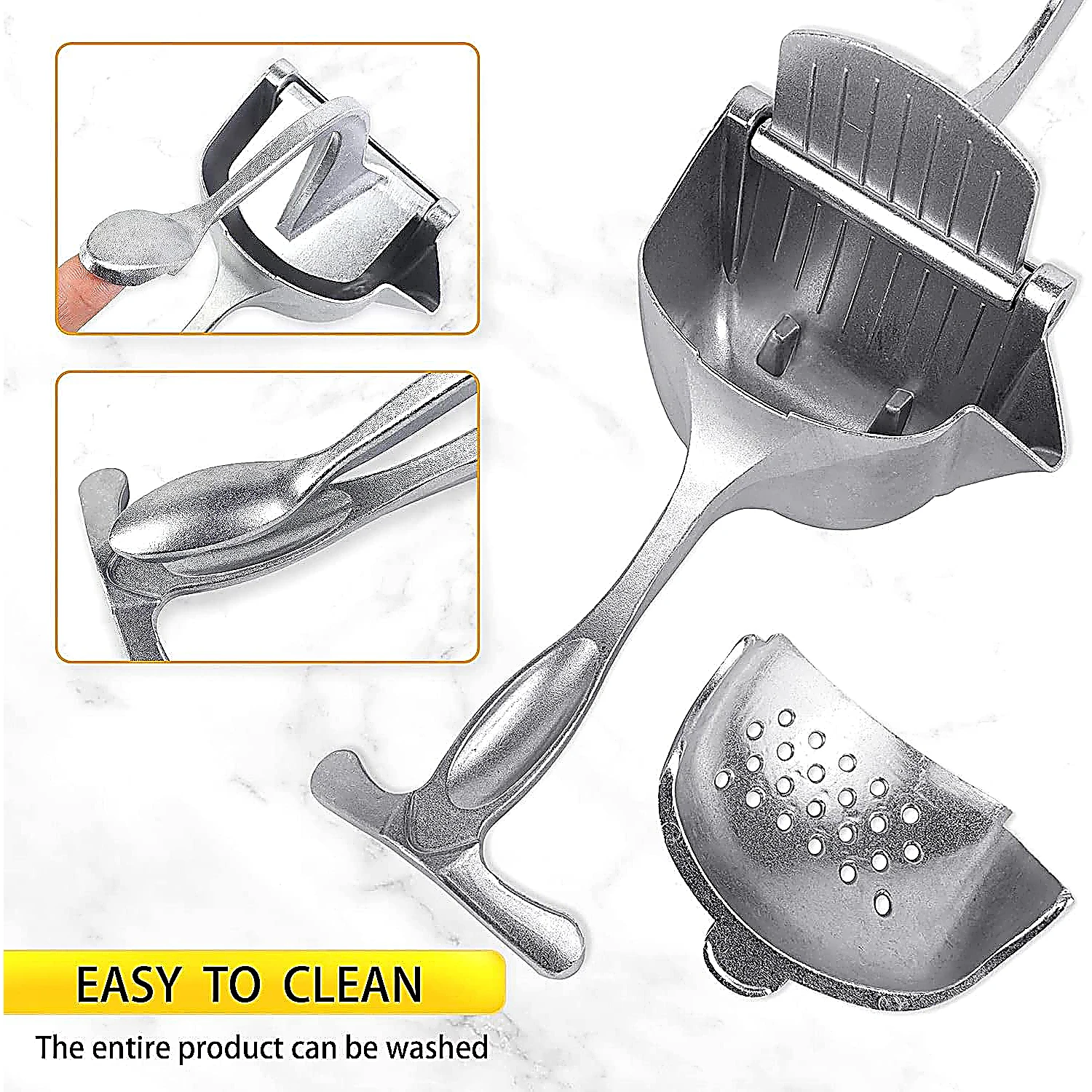
- Easy Maintenance: Most manual presses are designed for quick disassembly, allowing users to rinse parts under water easily.
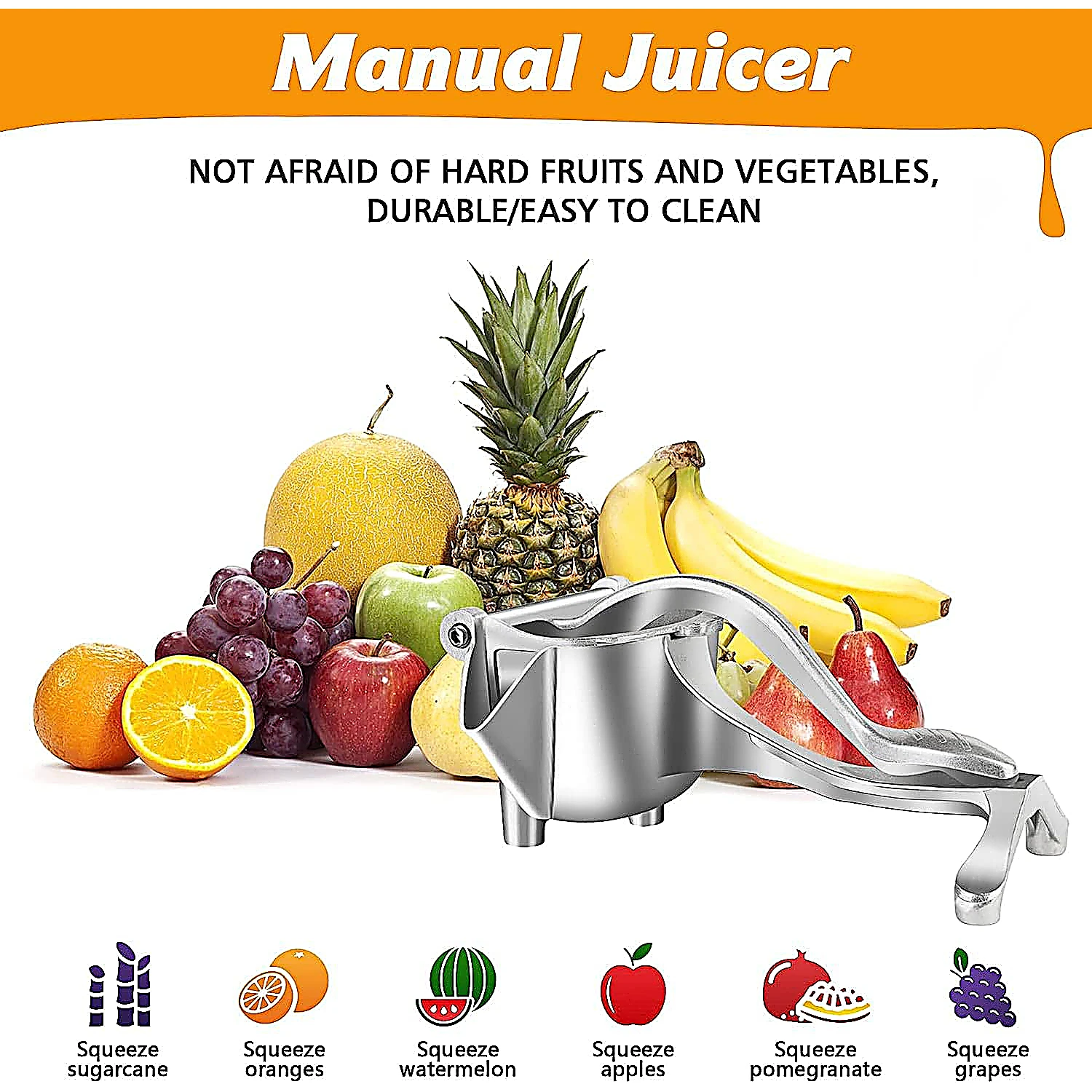
- Versatility: While specialized citrus presses exist, many multi-purpose presses can handle apples, grapes, berries, and even certain vegetables like tomatoes.