











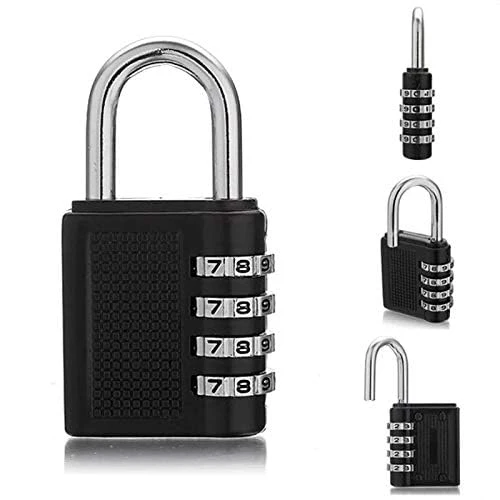
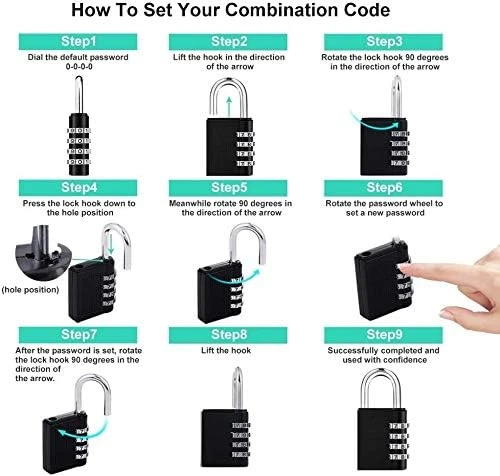
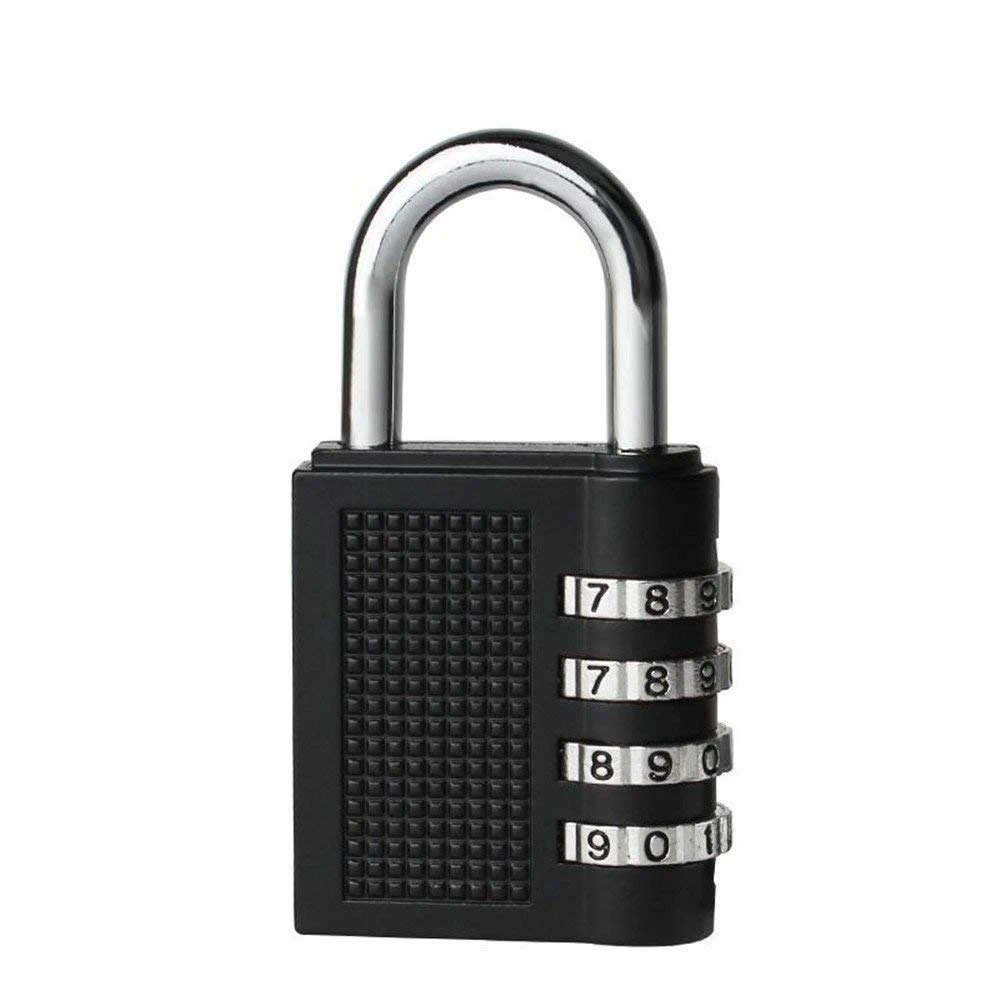
Digital code locks replace traditional mechanical keys with an electronic interface, typically a touchscreen or physical push-button keypad. These locks are versatile, used on main doors, internal wooden doors, cabinets, and even safes. Modern 2026 models are often "smart," meaning they connect to Wi-Fi or Bluetooth to allow users to generate temporary codes, receive entry alerts, and monitor a real-time activity log from a smartphone.
- Multiple Access Modes: Most 2026 digital locks, such as the Mygate Smart Door Lock Plus, offer 5-in-1 or 6-in-1 access, including PIN codes, fingerprints, RFID cards, mobile apps, and emergency manual keys.
- Anti-Peeping/Decoy PIN: Allows users to enter random numbers before or after their actual code to prevent onlookers from memorizing the sequence.
- Remote Access Management: Through mobile apps, homeowners can share one-time passwords (OTP) or timed codes with visitors via WhatsApp or SMS, and track who enters and when.
- Tamper & Break-in Alarms: Built-in sensors trigger loud alarms and "freeze" the lock for several minutes after multiple failed entry attempts.
- Emergency Power Backup: If the internal batteries (typically AA or AAA) fail, a USB Type-C or Micro-USB port allows users to jump-start the lock with a power bank to gain entry.
- Auto-Locking Function: Automatically engages the deadbolt or latch seconds after the door or cabinet is closed, ensuring the premises are never left accidentally unlocked.